By pooling resources, the capital city and its partner provinces aim to create a tourism tapestry that is diverse, resilient and internationally competitive.
THE HANOI TIMES — Hanoi is stepping up its role as a national tourism hub by joining forces with five provinces in Central and Central Highlands Vietnam to build inter-regional travel routes and products that focus on sustainability and global outreach.
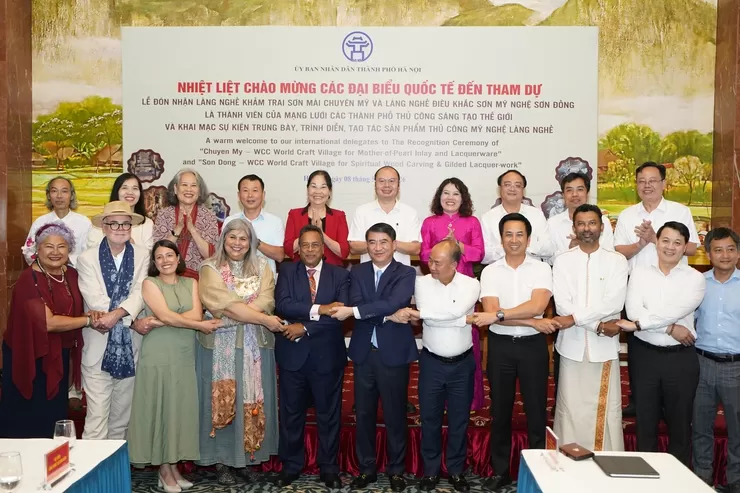
At a signing ceremony on September 24 in Buon Ma Thuot, Dak Lak Province, the Hanoi Department of Tourism formalized a cooperation pact with the departments of Culture, Sports, and Tourism from Dak Lak, Gia Lai, Khanh Hoa, Lam Dong, and Quang Ngai.
The partnership, which runs through 2030, sets the stage for stronger promotion campaigns, innovative product development and international market expansion.
According to Tran Trung Hieu, Deputy Director of the Hanoi Department of Tourism, by leveraging Hanoi’s position as Vietnam’s largest international gateway, the cooperation aims to channel more global travelers to Central and Central Highlands destinations.
“Hanoi cannot enrich visitor experiences alone. It must resonate with destinations full of potential to paint a diverse tourism picture,” said Hieu.
Aligning with sustainable tourism goals
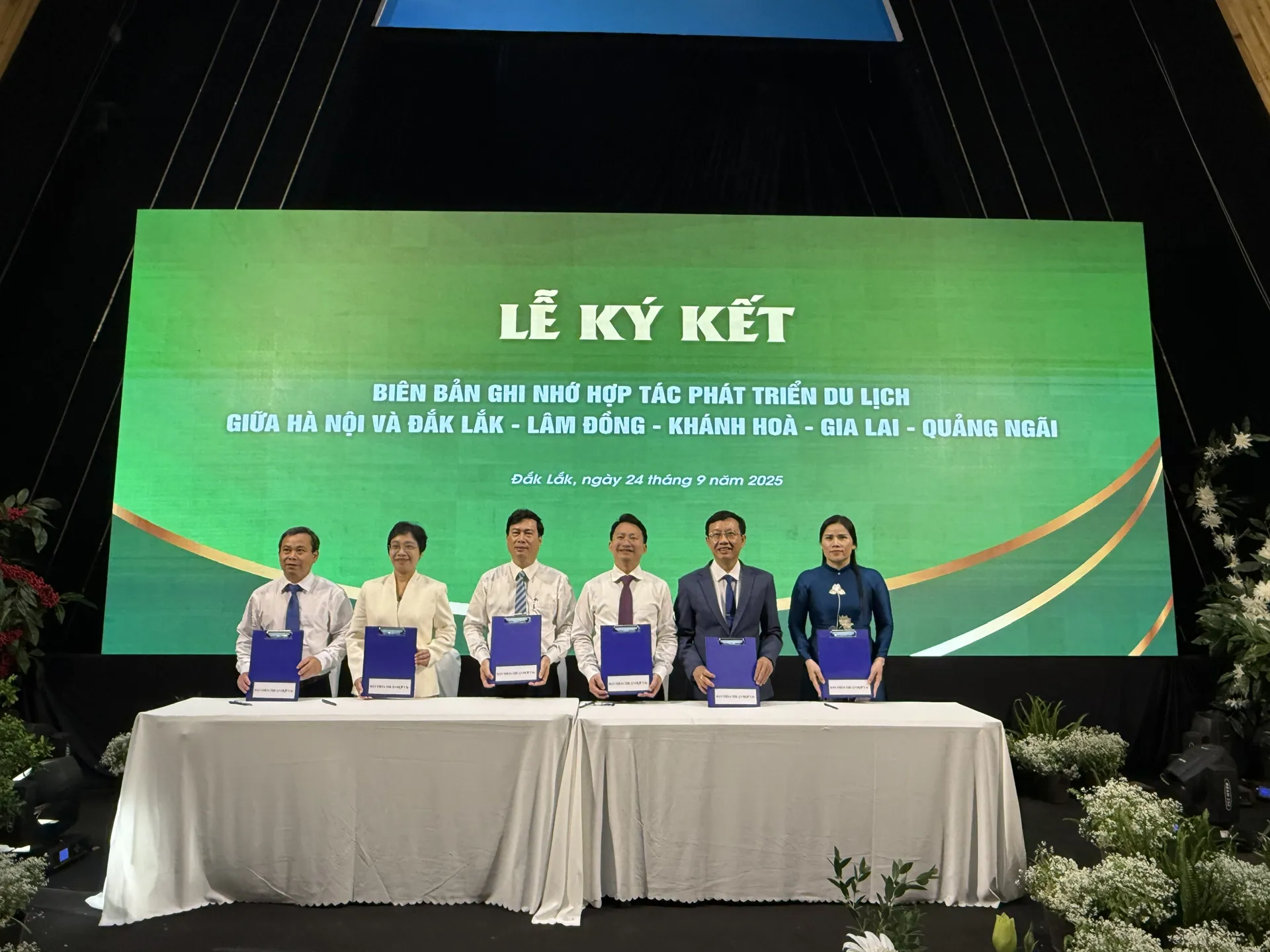
Photo: Viet Anh
The signing took place just days before World Tourism Day (September 27), which this year carries the theme “Tourism and Sustainable Transformation.” The timing highlights Vietnam’s efforts to position tourism as a driver of inclusive growth, cultural empowerment and environmental stewardship.
Officials and industry leaders emphasized that the pact aligns with the Government’s Resolution 226/NQ-CP, which sets ambitious national targets of welcoming at least 25 million international visitors and 150 million domestic tourists by 2025. Achieving this would help Vietnam sustain GDP growth between 8.3% and 8.5% in the final year of its 2021–2025 five-year plan.
By working together, Hanoi and its partner provinces hope to not only share resources but also create a unified tourism brand that can compete internationally.
The cooperation carries added weight as it is the first regional initiative since Vietnam’s major administrative reorganization on July 1, 2025, which consolidated several provinces into larger units. These new administrative boundaries bring together mountains, seas, plateaus and diverse cultural heritages under one umbrella, expanding opportunities for tourism development.
Delegates at the conference noted that the restructuring provides fresh advantages such as more diverse tourism products, wider markets to attract investors, stronger brands for international expansion and more synchronized infrastructure for regional linkages.
Still, they cautioned that to maximize these benefits, flexible mechanisms and adaptive policies will be essential.
Hanoi’s experience in regional partnerships
Hanoi is no stranger to tourism partnerships. Between 2017 and 2020, the city worked with many localities to build joint promotions and travel programs. In 2022–2023, it organized several Famtrip delegations to explore cooperative tourism models.
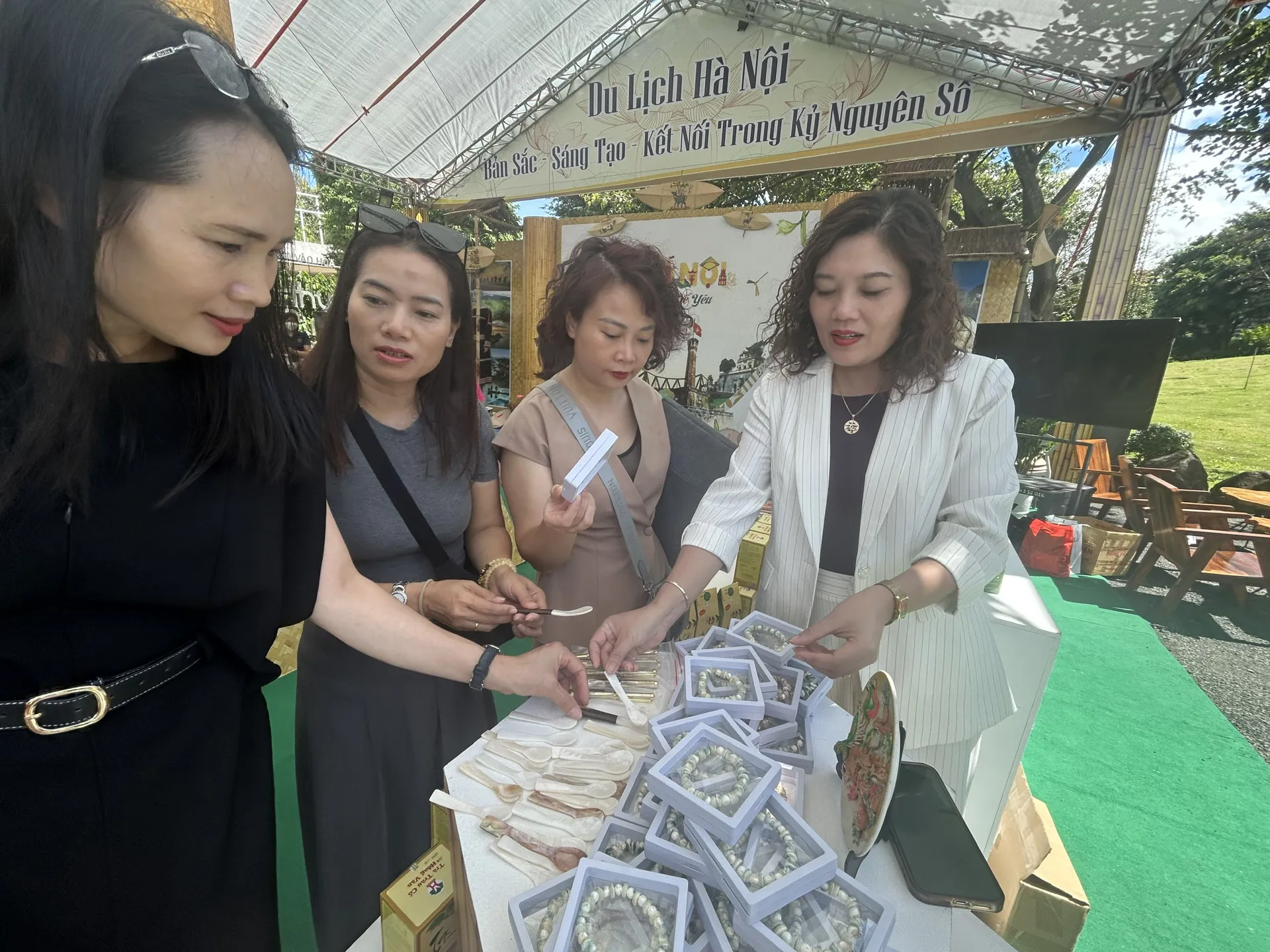
The capital has also collaborated with Ho Chi Minh City and the central key economic region through forums, festivals and cultural exchanges. Events such as the Hanoi Gift Festival and the Phu Yen Sea Tourism showcase have become platforms to connect tourists with destinations beyond the capital.
For their part, provinces in Central and Central Highlands Vietnam have actively introduced their products in Hanoi through events like the Vietnam International Travel Mart (VITM) and cultural–tourism days.
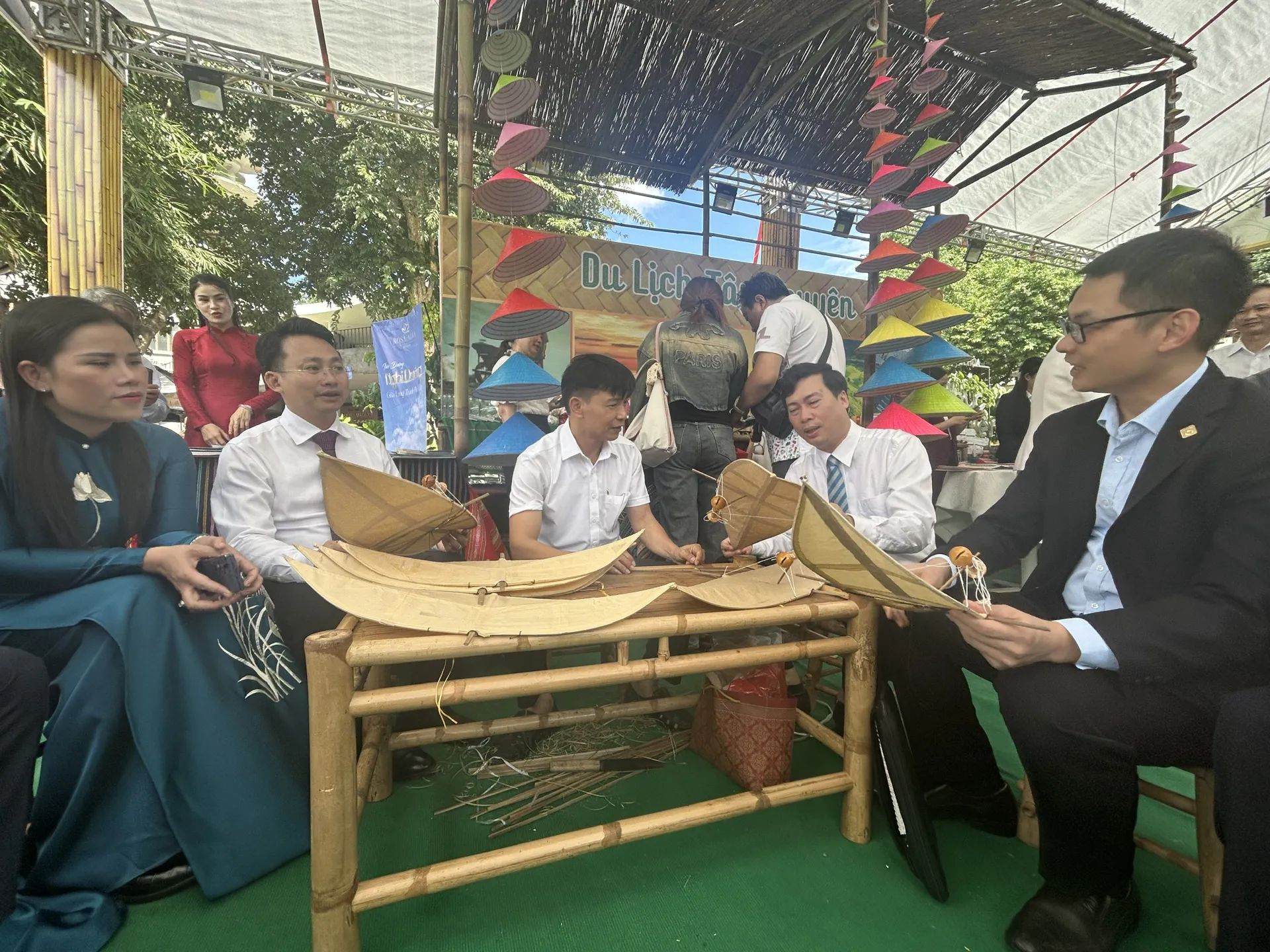
Representatives of the partner provinces used the event to underline how the cooperation could reshape tourism flows.
Tran Hong Tien, Director of the Dak Lak Department of Culture, Sports and Tourism, said the cooperation with Hanoi forms a foundation for developing East–West tourism corridors, driving socio-economic growth in both the Central Coast and Central Highlands.
“Hanoi is Vietnam’s biggest international gateway, especially for visitors from Europe and Northeast Asia. Strengthening links with Hanoi will help bring international tourists to Dak Lak and the Central Highlands,” said Tien, pointing to the region’s signature products such as coffee, durian, gong festivals and highland landscapes.
Nguyen Van Hoa, Director of the Khanh Hoa Department of Culture, Sports, and Tourism, emphasized the importance of implementing the pact with concrete actions. He proposed closer cooperation in state management, training and human resource development, particularly in foreign languages and digital skills.
“Right after the signing, we need to act together, create specific products, and conduct evaluations so we can refine our programs. Tourism associations and businesses will stand alongside local departments to make this cooperation a reality,” said Hoa.
While opportunities are abundant, challenges remain.
Industry experts pointed out that the new larger provinces need comprehensive planning to avoid imbalances in infrastructure and uneven investment attraction.
Nhu Thi Ngan, CEO of Hanoi Tourism JSC, highlighted the need for systematic resource assessments, workforce training and digital innovation.
She called for building new tourism maps that reflect the expanded provincial boundaries and refreshing promotional methods with active participation from businesses.
Tourism digitalization was another focal point of discussion. Nguyen Quyet Tam, a tourism digital transformation expert, highlighted the need for smart management systems, multi-channel ticket distribution and digital maps to better connect travelers with destinations.
“A robust digital ecosystem is essential for managing and promoting inter-regional tourism in the new era,” he said.
Deputy Director of the Hanoi Department of Tourism Tran Trung Hieu said the conference had received many constructive contributions, creative ideas and concerns from those working in the sector, reflecting their desire to advance tourism in general and regional cooperation in particular.
Tourism authorities from participating localities agreed on a five-year cooperation framework for 2026–2030, focusing on State tourism management and policy coordination, Promotion and marketing campaigns, Product development and joint tour programs and Human resource training and digital transformation.
Hieu stressed that Hanoi is committed to continuing its support and leveraging each locality’s unique strengths. “Together, we will create distinctive inter-regional tourism products that contribute to Vietnam’s sustainable growth goals,” he said in his closing remarks.
A colorful tourism tapestry
The cooperation envisions packaging the best of each partner into a comprehensive travel experience:
Hanoi will contribute its millennia-old cultural heritage, night-time tourism and craft villages.
Dak Lak and Gia Lai bring the spirit of the Central Highlands with gong culture, coffee and forested landscapes.
Lam Dong offers its cool climate and Da Lat’s romantic charm.
Khanh Hoa adds pristine beaches and luxury resorts.
Quang Ngai opens doors to Cham relics and Ly Son Island adventures.
Four tourism themes are being prioritized:
Culture–Heritage: Festivals, history, and craft villages to extend visitor stays.
Nature–Wellness: Highland treks paired with coastal wellness tourism.
Cuisine–Shopping: Hanoi street food meets Dak Lak coffee, Da Lat vegetables, Khanh Hoa bird’s nest and Quang Ngai seafood.
MICE and Sports: Conferences in Hanoi combined with sports and nature exploration in the Central Highlands and Central Coast.